Start with the form, not the portal category
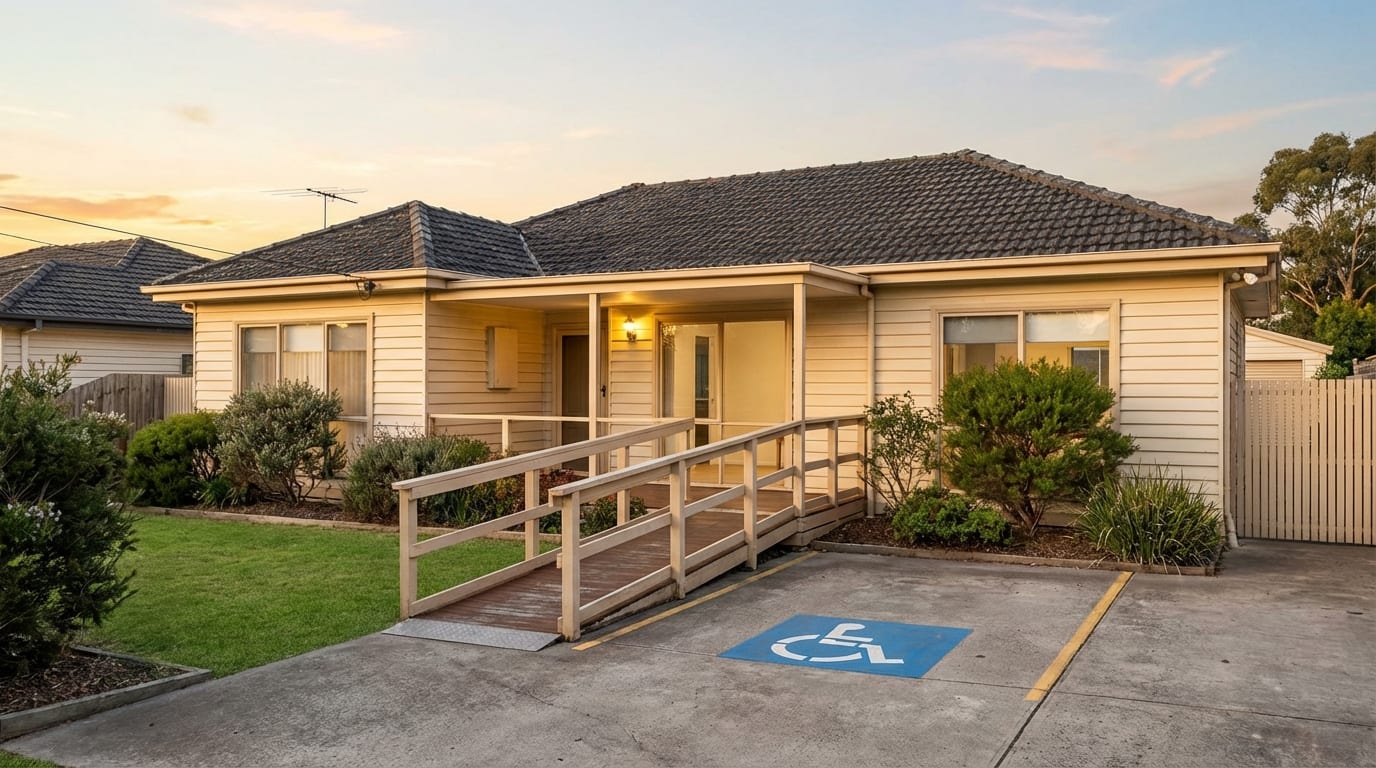
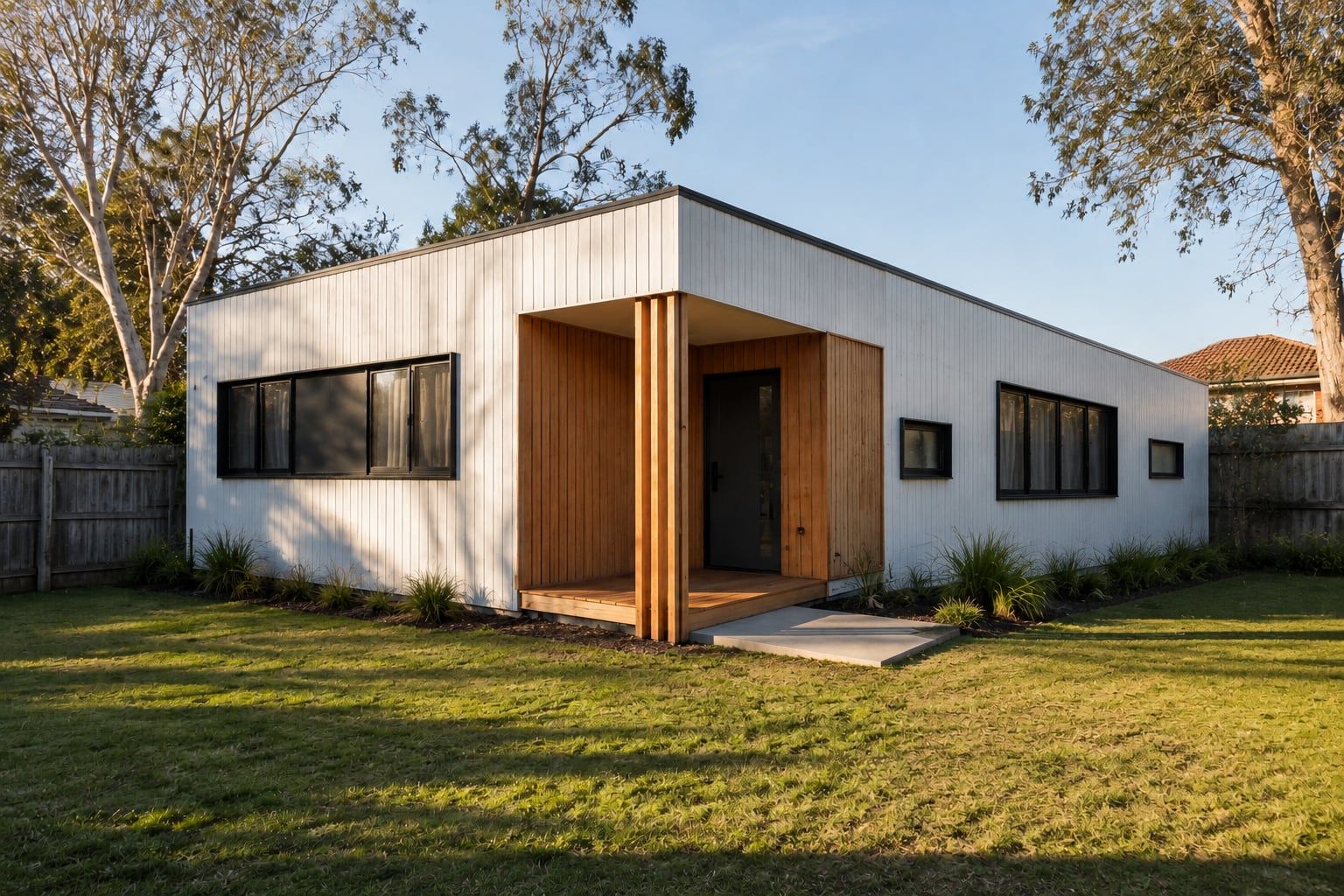
Write a plain description before looking at the price: single-storey on the ground, number of bedrooms and bathrooms, detached or attached, and private or shared entry. Exclude buildings that answer a different housing need. An upper-floor apartment with lifts, common corridors and a balcony should not become a direct comparison merely because the portal calls both properties units.
A bathroom count does not describe bathroom access
Check whether the bathrooms are full bathrooms, whether one is an ensuite and whether visitors can reach the other without crossing a bedroom. A floor plan can establish layout, but the campaign date and plan version still matter. Keep a bathroom count read from an advertisement separate from a configuration confirmed on a dated plan.
“The register is the one reference a builder cannot hand you. Read it before you read the price.”
Cladding is an observation, not a structural certificate
An exterior photograph may show weatherboard, render or brickwork, but it does not establish concealed framing, insulation, fire performance or the full wall build-up. Record what is visible and where the observation came from. Ask for specification and professional assessment when construction matters. Do not describe a rendered wall as non-brick solely from its finish.
Ownership and access can change the comparison
Review current title information, the plan defining the lot, easements and common property through the appropriate professionals. A dwelling with a private yard but shared driveway is a different proposition from a separate lot with independent access. Marketing phrases such as no body corporate do not replace title review or settle maintenance responsibility.
Keep a shortlist with reasons and unresolved questions
For each candidate retain source, sale date, physical form, title questions and confidence. Ask the valuer how differences should be handled rather than applying a homemade adjustment. For design work, use the comparison to specify the living arrangement you want; do not reshape a product solely to imitate a sale price. The House CC handbook helps make the design brief explicit.
Questions people ask
Does unit always mean a ground-level home?
No. It is a broad marketing category and can include physically different dwellings. Confirm actual floor level, storeys and access from the campaign and dated plan before treating it as comparable to a compact ground-level design.
Can street-view photos verify the sale condition?
They may show the property at the imagery date, which can differ from the sale campaign date. A current exterior image does not prove the internal layout, bathroom count or condition at an earlier sale. State its limited purpose.
Is render proof that there is no brick wall?
No. Render is a finish and can cover different substrates. If wall construction affects the comparison, obtain an appropriate specification or inspection. Leave concealed materials unresolved until evidence supports a conclusion.
Should a missing bathroom count become zero?
No. Zero and unknown are different facts. Keep an unknown count outside a configuration-specific comparison until checked. Show missingness in the shortlist so a small verified group is not mistaken for the whole market.
Can similar floor area establish similar value?
No. Location, ownership, condition, layout, access and many other features can matter. Floor area is one descriptor, not a valuation. Ask an independent valuer to consider the full property and the relevance of each transaction.
How does this help a DollarBuild design brief?
It translates vague phrases such as build a unit into observable requirements: storeys, bathroom access, entry, outdoor space, ownership and servicing. DollarBuild can discuss a design against that brief, subject to site-specific approvals and technical review.
References
- 1.Consumer Affairs Victoria — Building contracts — Checked 9 October 2026; the instrument or guidance applies only within its stated scope.
- 2.Consumer Affairs Victoria — Working with your building client — Checked 9 October 2026; the instrument or guidance applies only within its stated scope.
- 3.Building and Plumbing Commission — Appointing a building surveyor — Checked 9 October 2026; the instrument or guidance applies only within its stated scope.
- 4.Building and Plumbing Commission — Issuing an occupancy permit — Checked 9 October 2026; the instrument or guidance applies only within its stated scope.
- 5.Planning Victoria — Small second dwellings applicant guide — Checked 9 October 2026; the instrument or guidance applies only within its stated scope.
- 6.Consumer Affairs Victoria — Rooming house operator checklist — Checked 9 October 2026; the instrument or guidance applies only within its stated scope.
- 7.WorkSafe Victoria — Cranes and lifting equipment — Checked 9 October 2026; the instrument or guidance applies only within its stated scope.
- 8.National Heavy Vehicle Regulator — Do I need a permit? — Checked 9 October 2026; the instrument or guidance applies only within its stated scope.