Name the asset sold, not just the address
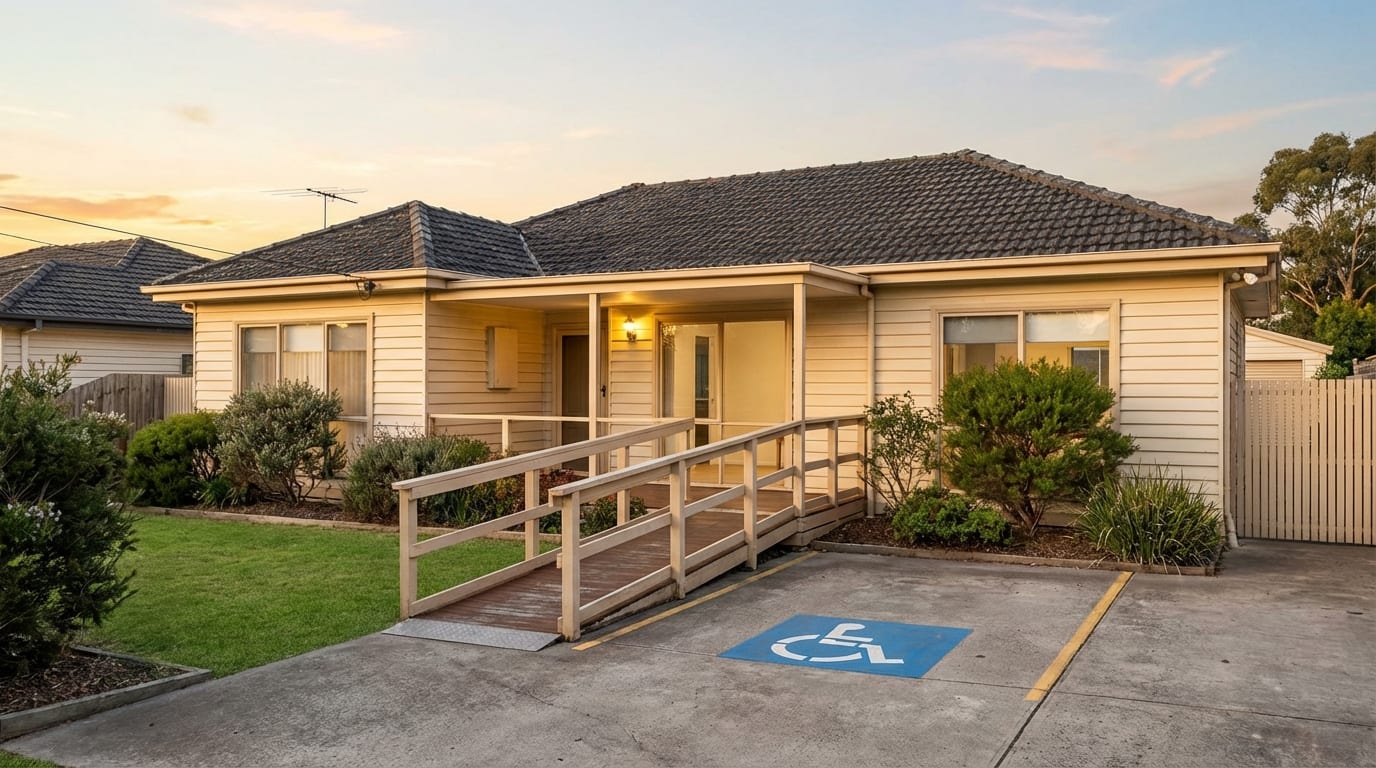
Keep a transaction record with contract date, settlement date where known, property identifier, source and the exact advertised asset. The address may remain stable while the land changes from an existing house to an approved scheme and then to a completed rooming house. Combining those stages creates a misleading comparable. A price without the event description is incomplete evidence.
Build a timeline before forming the comparable set
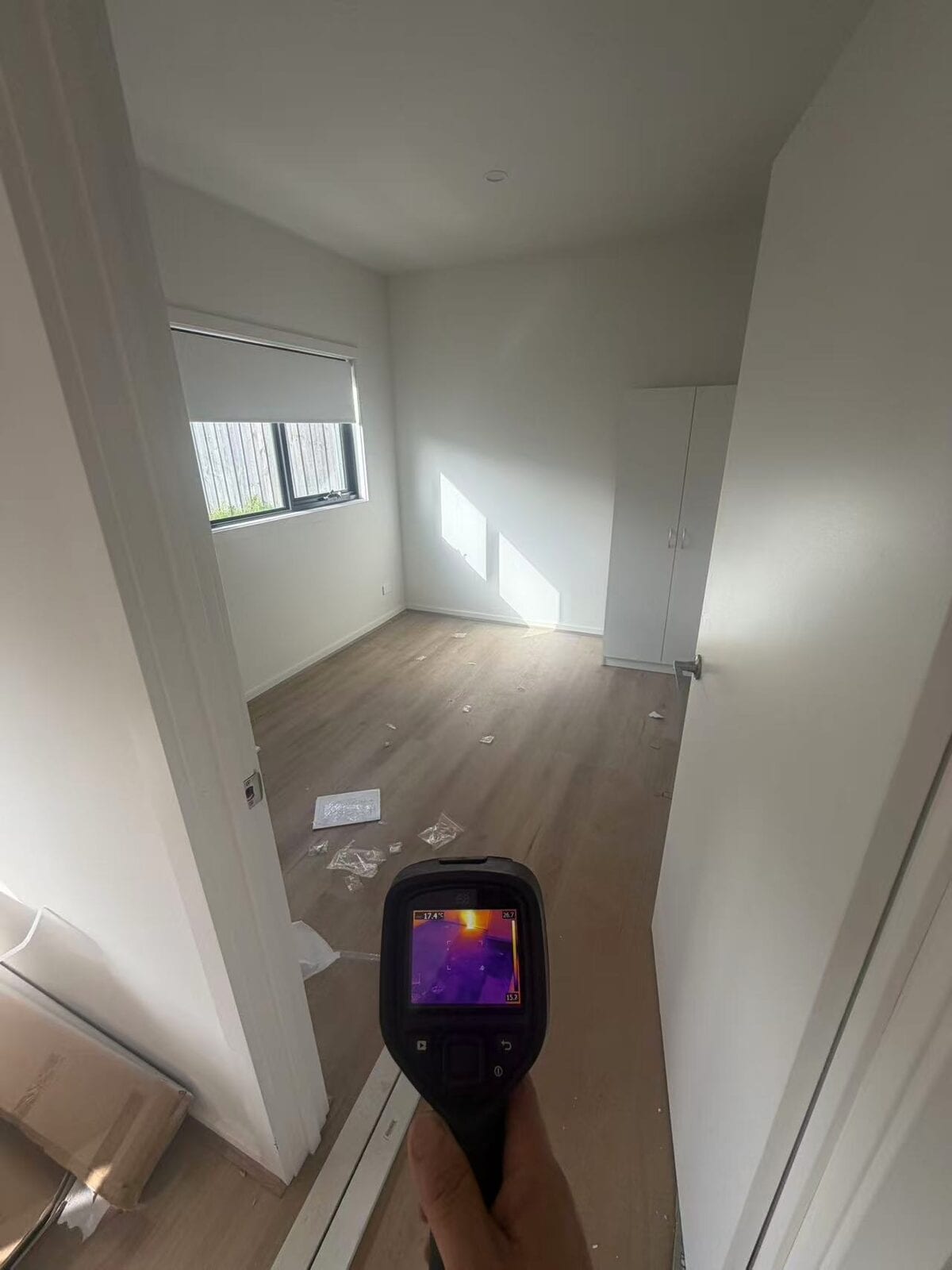
Place the sale campaign, building completion evidence, earliest registration evidence and dated room advertisements in order. Record the date of each document separately from the date you collected it. A registration snapshot obtained today may show current status but not when operation started. Later evidence can support a research lead; it cannot silently be moved backwards in time.
“The register is the one reference a builder cannot hand you. Read it before you read the price.”
Read the wording that separates land from a building
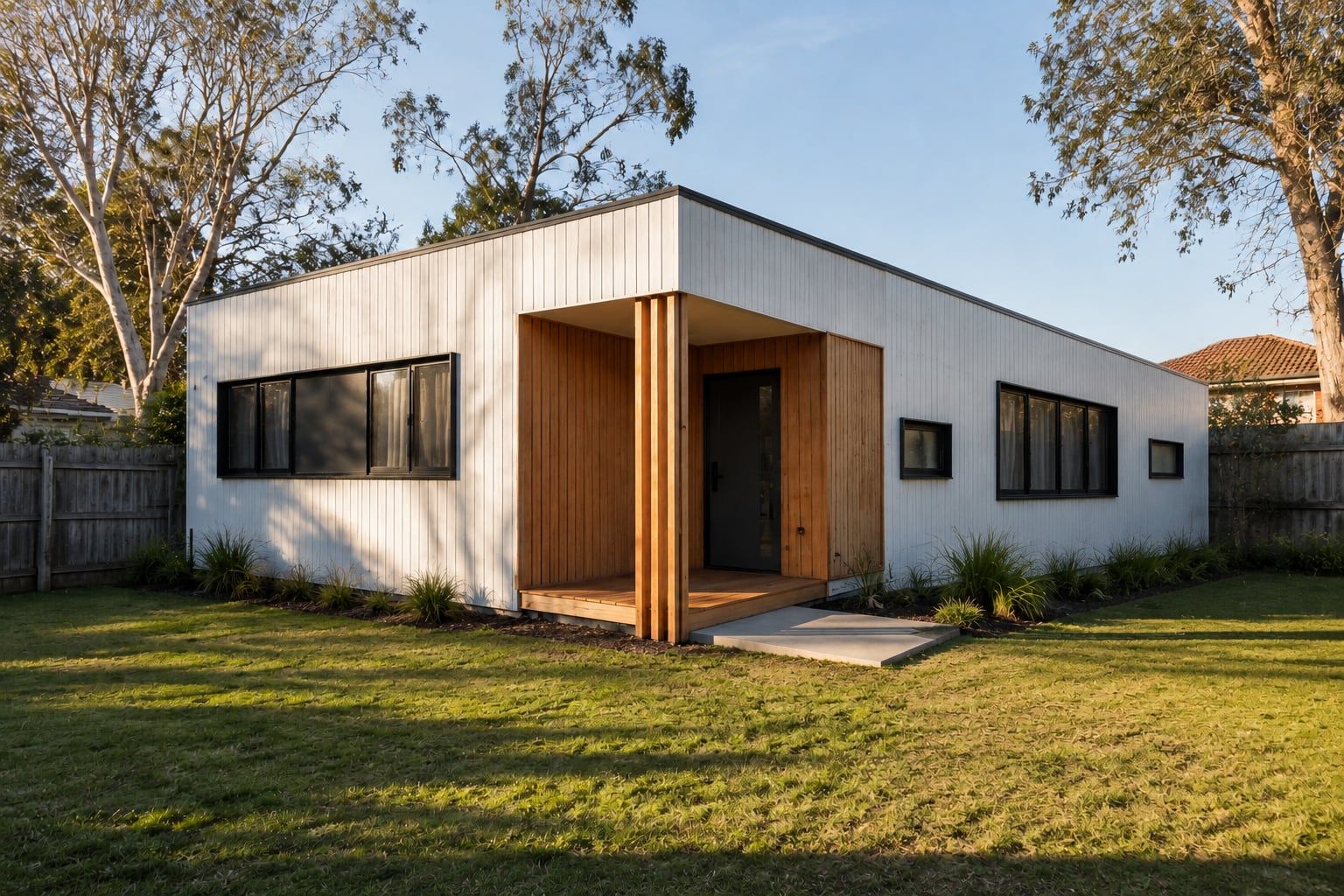
Treat phrases such as approved plans, development potential, ready to build and existing dwelling for redevelopment as prompts to inspect the original campaign. Look for actual completed accommodation, the included improvements, tenancy status and exclusions. Do not count bedrooms from a proposed floor plan as rooms delivered at sale. If the campaign is unavailable, retain the uncertainty instead of assigning the property to the preferred category.
Make inclusion and exclusion reviewable
Give every candidate a reason: built and operating evidence aligned to sale, approved scheme only, ordinary house before conversion, or unable to establish the state at sale. A conservative sample can exclude genuine completed buildings whose records are incomplete. State that cost openly. Missing evidence does not mean the building was never built or that its transaction had no value.
Use the comparison for a decision it can support
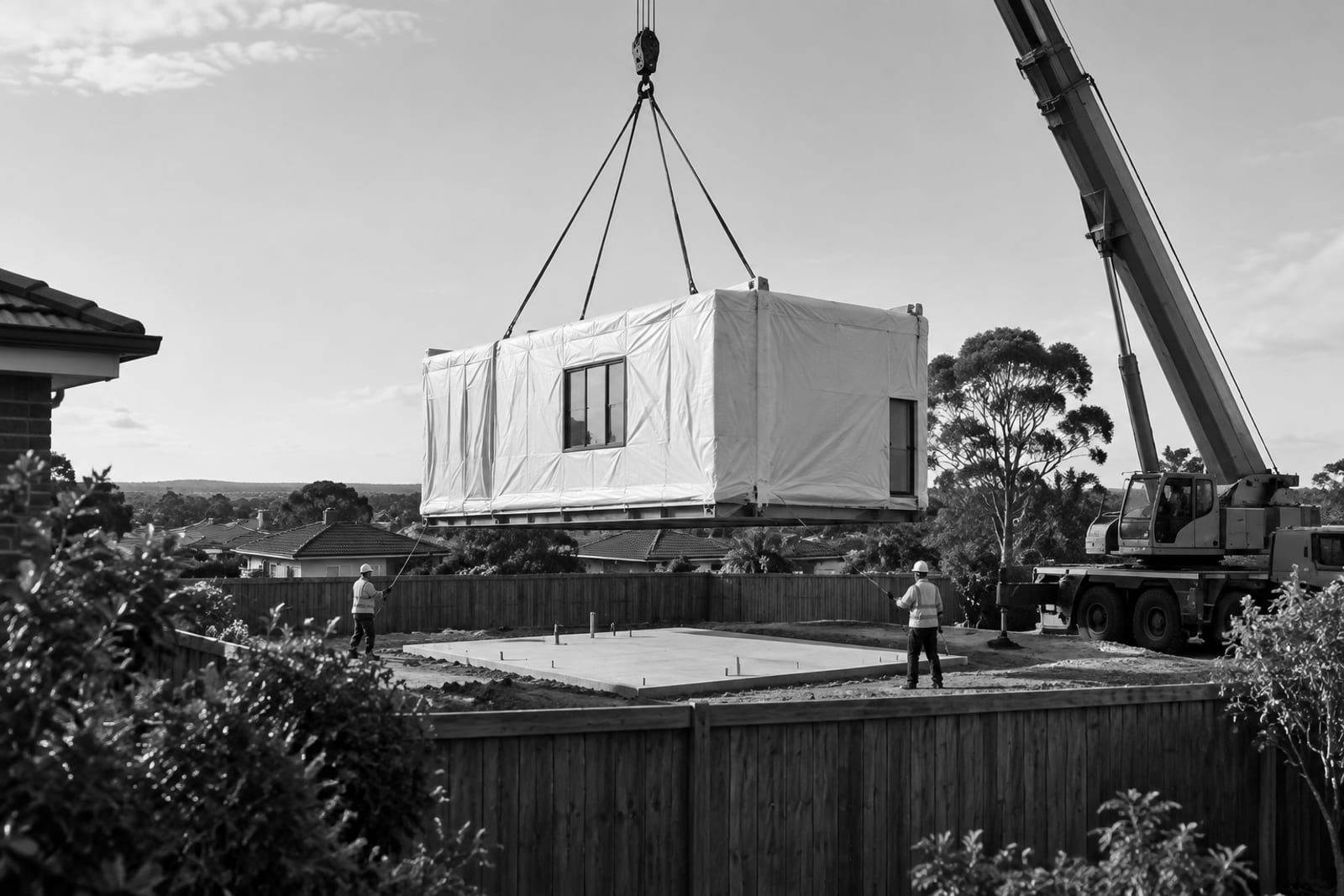
A completed-building comparison informs questions for an independent valuer about configuration, age, condition, tenancy and location. It does not prove a future selling price for a proposed DollarBuild project. Keep land cost, design, construction, holding costs and selling assumptions separate. Compare build and conversion before asking the evidence guide which documents remain outstanding.
Questions people ask
Does an approved plan prove a rooming house was built?
No. A planning approval describes a permitted proposal subject to its conditions. Establish what physically existed at the sale date using the sale campaign and building documents. An approved design can be valuable while remaining a different asset from a completed operating building.
Can a current room advertisement verify an older sale?
It can establish later advertised use, with the limitations of an advertisement. It does not establish the same use at an earlier transaction. Keep the advertisement date and sale date visible and describe any unresolved period rather than inferring backwards.
Are registration and an occupancy permit interchangeable?
No. They address different parts of the building and operation. CAV lists council registration, appropriate permits and operator licensing separately [6]. Ask the relevant council and building surveyor what documents apply to the particular building; do not replace one check with another.
Should uncertain transactions be deleted?
Keep them in a research register but outside the confirmed comparable group until resolved. A reason and next verification action preserve useful leads without presenting an unverified asset as a completed sale. Report confirmed and unresolved totals separately.
Is this a formal valuation method?
No. It is a way to assemble and explain evidence for a professional review. An independent valuer chooses the relevant comparisons and adjustments. The guide does not assess a particular property or promise an end value.
What should I send with a proposed build brief?
Send the current title material, planning information, design version, proposed operating model and a comparable register identifying the state of each asset at sale. Add the build scope and unresolved site costs so land, construction and finished-building evidence can be reviewed separately.
References
- 1.Consumer Affairs Victoria — Building contracts — Checked 9 October 2026; the instrument or guidance applies only within its stated scope.
- 2.Consumer Affairs Victoria — Working with your building client — Checked 9 October 2026; the instrument or guidance applies only within its stated scope.
- 3.Building and Plumbing Commission — Appointing a building surveyor — Checked 9 October 2026; the instrument or guidance applies only within its stated scope.
- 4.Building and Plumbing Commission — Issuing an occupancy permit — Checked 9 October 2026; the instrument or guidance applies only within its stated scope.
- 5.Planning Victoria — Small second dwellings applicant guide — Checked 9 October 2026; the instrument or guidance applies only within its stated scope.
- 6.Consumer Affairs Victoria — Rooming house operator checklist — Checked 9 October 2026; the instrument or guidance applies only within its stated scope.
- 7.WorkSafe Victoria — Cranes and lifting equipment — Checked 9 October 2026; the instrument or guidance applies only within its stated scope.
- 8.National Heavy Vehicle Regulator — Do I need a permit? — Checked 9 October 2026; the instrument or guidance applies only within its stated scope.