Use the same site information for every proposal
Record the survey date, plan extent, soil-report reference and design revision given to each bidder. A cheap proposal based on less information may price a different risk. If one contractor has inspected the site and another has not, make the distinction visible rather than treating the totals as equally supported.
Separate investigation from design
A soil investigation reports findings within its scope; engineering design applies the relevant requirements to the proposed building. A survey reports measured features and levels. None alone establishes the entire foundation solution. Ask the engineer which additional information is needed for the chosen footprint and delivery method instead of copying a foundation from a nearby project.
“The register is the one reference a builder cannot hand you. Read it before you read the price.”
Include access and removal in site scope
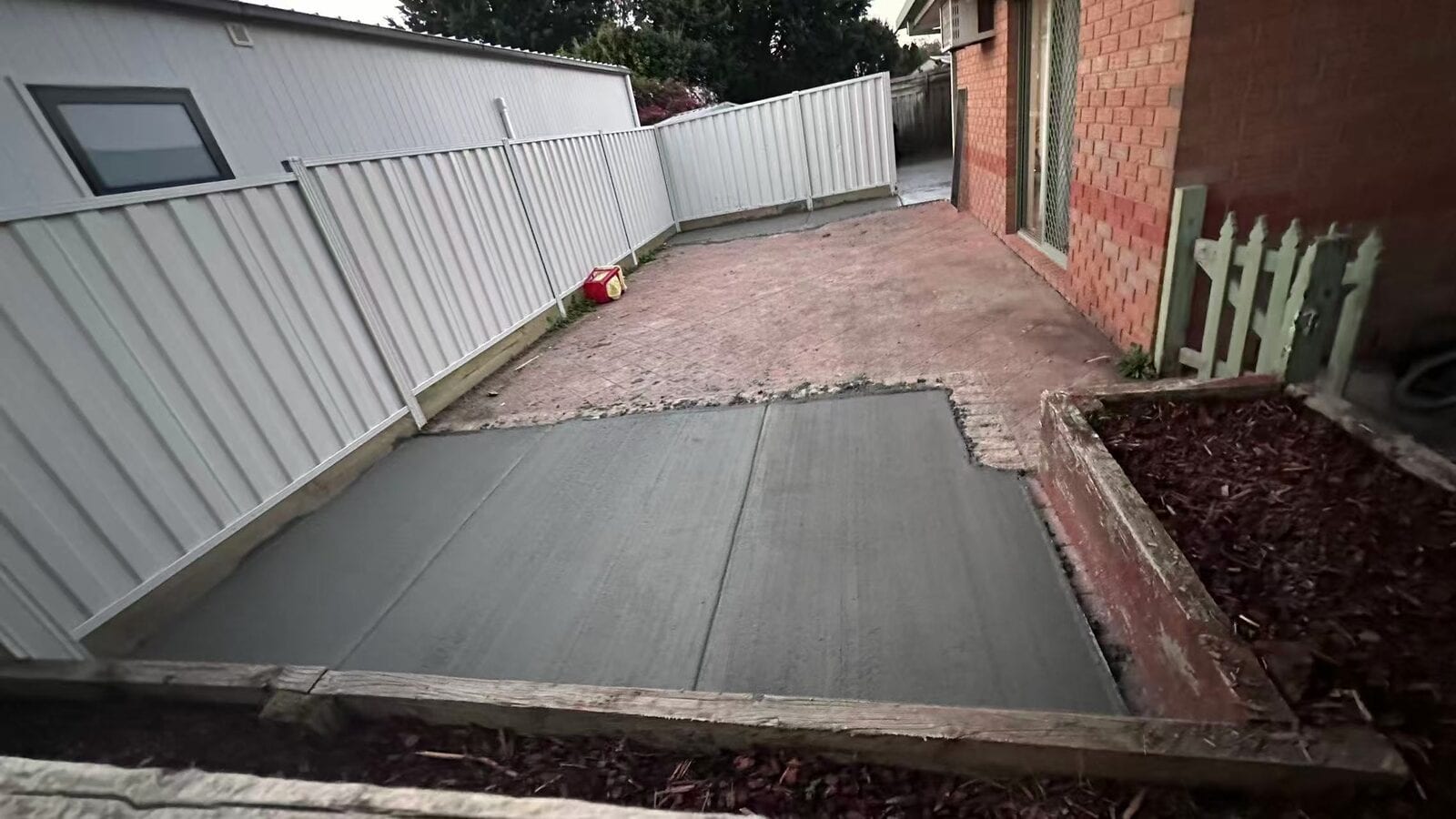
Excavation is not only the volume of a footing. Access, protection of existing structures, spoil handling, disposal and reinstatement can affect the work. Identify what has been observed and what is assumed. Do not call material clean fill or reusable solely from an image; let the appropriate assessment determine the treatment.
Define how an unknown becomes a decision
For every assumption, record the verification action, responsible person, deadline and possible design consequence. The correct next step may be further investigation, revised engineering or a priced alternative. An allowance can keep an early feasibility discussion moving, but it stays an allowance until the required evidence and contract scope are settled.
Review changes against the original basis
Preserve the original reports, proposal and design alongside any variation request. Ask what changed, when it became known and which scope item is affected. Have disputed entitlement reviewed under the applicable contract and law. Check the builder and seek professional advice before accepting a technical or legal explanation at face value.
Questions people ask
Can a neighbour’s soil report be used as mine?
It can provide context but does not automatically investigate your building location or project. Ask the engineer and investigator what site-specific evidence they require. Do not treat similar-looking land as proof of identical foundation conditions.
Does prefab avoid foundation design?
No. An off-site building still needs an appropriate site support and connection design. Ask how module loads and interfaces are incorporated into engineering and which documents the building surveyor requires for the actual project.
Is a soil report the same as engineering approval?
No. Investigation and design have different purposes and scopes. Confirm who prepared each document, its date, the proposed building it covers and its limitations. A report label alone does not establish suitability.
When is a foundation quote truly comparable?
When it uses the same sufficiently defined site evidence, building design, exclusions and responsibility boundaries. If a proposal is conditional on later engineering, keep that condition visible and do not present its headline as a final site price.
Are all unexpected conditions chargeable variations?
That depends on the facts, the applicable contract and law. CAV discusses foundation information and variations [2], but a general page cannot decide a particular dispute. Preserve the original basis and obtain independent advice where entitlement is contested.
What should remain in the handover archive?
Keep the final engineering documents, relevant investigation and survey, inspection records and material changes affecting the foundations. These records help explain the completed asset to future practitioners and owners; marketing renders do not replace them.
References
- 1.Consumer Affairs Victoria — Building contracts — Checked 9 October 2026; the instrument or guidance applies only within its stated scope.
- 2.Consumer Affairs Victoria — Working with your building client — Checked 9 October 2026; the instrument or guidance applies only within its stated scope.
- 3.Building and Plumbing Commission — Appointing a building surveyor — Checked 9 October 2026; the instrument or guidance applies only within its stated scope.
- 4.Building and Plumbing Commission — Issuing an occupancy permit — Checked 9 October 2026; the instrument or guidance applies only within its stated scope.
- 5.Planning Victoria — Small second dwellings applicant guide — Checked 9 October 2026; the instrument or guidance applies only within its stated scope.
- 6.Consumer Affairs Victoria — Rooming house operator checklist — Checked 9 October 2026; the instrument or guidance applies only within its stated scope.
- 7.WorkSafe Victoria — Cranes and lifting equipment — Checked 9 October 2026; the instrument or guidance applies only within its stated scope.
- 8.National Heavy Vehicle Regulator — Do I need a permit? — Checked 9 October 2026; the instrument or guidance applies only within its stated scope.